
From the Sensex pack, IndusInd Bank, NTPC, Asian Paints, Hindustan Unilever, JSW Steel, Tech Mahindra, Bajaj Finance, Infosys, Wipro, ICICI Bank, Bajaj Finserv, HDFC Bank and Tata Motors were among the major laggards. HCL Technologies, Power Grid, Titan, Reliance Industries, UltraTech Cement, Tata Steel, State Bank of India and Mahindra & Mahindra were the gainers.

IndusInd Bank was the top gainer in the Sensex pack, rising around 2 per cent, followed by Axis Bank, HDFC, ICICI Bank, HDFC Bank, Kotak Bank and SBI. On the other hand, ONGC, Tech Mahindra, NTPC, Sun Pharma and TCS were among the laggards.

The sharp rally in the midcap stocks has made valuations expensive, and there is room for a correction, wrote Christopher Wood, global head of equity strategy at Jefferies in his latest note to investors, GREED & fear. The midcap index, Wood said, now trades at 24.1x 12-month forward earnings compared with 18.7x for the Nifty. Rising crude oil prices, he believes, are another worry for India, which imports nearly 80 per cent of its annual crude oil requirement.
The government is expected to defer the mega initial public offering (IPO) of LIC to the next financial year as the ongoing Russia-Ukraine war has dampened fund managers' interest in the public issue, market experts said on Sunday. The government was looking to sell 5 per cent stake in Life Insurance Corporation (LIC) this month, which could have fetched over Rs 60,000 crore to the exchequer. The IPO would have helped meet the curtailed divestment target of Rs 78,000 crore this fiscal.

Waves of foreign portfolio investments worth over Rs 51,000 crore splashed into the Indian market in 2021 as overseas investors turned net buyers of domestic securities for the third straight year while excess global liquidity and other factors steered the ebb and flow of their investing ways. With the global financial system still flush with liquidity, emerging market assets, especially equities, might well remain the preferred investment avenue for many more months to come, experts opined. As the equities sizzled during most of 2021, that also saw economy slowly coming back into the recovery path, Foreign Portfolio Investors (FPIs) turned net buyers but their investment is much less compared to net inflows of Rs 1.03 lakh crore in 2020.

From the Sensex pack, NTPC, Bajaj Finance, IndusInd Bank, UltraTech Cement, Bajaj Finserv, State Bank of India, Tata Motors, ITC, Power Grid and Larsen & Toubro were the biggest gainers. IndusInd Bank climbed 2 per cent after the company on Tuesday reported a 30 per cent jump in consolidated net profit in April-June quarter at Rs 2,124.50 crore, helped by core income growth and lower bad loan provisions.

Market participants are hoping for a few tweaks on the taxation front which will encourage consumers and businesses to spend.
Among the Sensex firms, Infosys, Tata Motors, HDFC Bank, Asian Paints, Tech Mahindra, HDFC, Tata Consultancy Services, Sun Pharma and ICICI Bank were the biggest winners. On the other hand, PowerGrid, NTPC, Nestle, UltraTech Cement, State Bank of India and ITC were among the laggards.

From the Sensex pack, Infosys jumped the most by 3.67 per cent. Asian Paints, HCL Technologies, Reliance Industries, ICICI Bank, Wipro, NTPC, Tech Mahindra, Bajaj Finserv and Larsen & Toubro were among the other major gainers. State Bank of India, Bajaj Finance, Titan, Tata Steel, Tata Motors and UltraTech Cement were among the laggards.
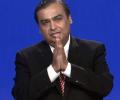
However, in the last few sessions, the stock of Mukesh Ambani-controlled Reliance Industries Limited (RIL), hit its 52-week low level of Rs 2269.75, and has been one of the worst performers among the Sensex pack thus far in calendar year 2023 (CY23). Thus far in CY23, RIL has tanked nearly 11 per cent as compared to a fall of around 5 per cent in the S&P BSE Sensex. The fall in the stock, according to Gaurang Shah, senior vice-president at Geojit Financial Services is mostly due to the overall dip in the market sentiment, which in turn has impacted large-caps, including RIL.
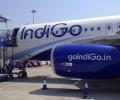
Wadia Group-owned Go First Airways' (Go First) insolvency plea could trigger a 'momentum rally' in shares of rival airlines, Interglobe Aviation (parent company of IndiGo) and SpiceJet, as they look to gain bankrupt airline's market share, said analysts. On the bourses, shares of InterGlobe Aviation hit a 52-week high of Rs 2,235.95, surging 8 per cent on the BSE in Wednesday's intra-day trade, before settling 4.5 per cent higher at Rs 2,164 apiece. Those of SpiceJet and Jet Airways, meanwhile, rallied up to 6 per cent in the intra-day trade, and ended 1 per cent and 5 per cent higher, respectively, following the development, which was announced post market hours on Tuesday.

Spread between earnings yield and bold yield lowest since 2013; dividend yield and bond yield lowest since 2008.

Domestic stock markets would be driven by inflation numbers, global trends, and the last batch of Q4 earnings this week, analysts said. Markets will also react to industrial production data and consumer inflation numbers that were released after market hours on Friday. "Participants will react to macroeconomic data viz. IIP and CPI first, which were released post-market hours on Friday.

Axis Bank, Tata Steel, Kotak Mahindra Bank, ICICI Bank, Tata Motors, and Bajaj Finance were among the other major laggards. Tata Consultancy Services, Reliance Industries, UltraTech Cement, Infosys, HCL Technologies, and Tech Mahindra were among the gainers.

IndusInd Bank was the top laggard in the Sensex pack, tanking around 7 per cent, followed by Axis Bank, Bajaj Finance, ICICI Bank, NTPC, Tata Steel, ITC and HDFC Bank. On the other hand, Reliance Industries, HCL Tech, Sun Pharma and ONGC were among the gainers.

Higher interest rates in the US do not necessarily coincide with capital outflows.

State Bank of India was the biggest loser in the Sensex pack, shedding 1.69 per cent, followed by Asian Paints, Kotak Mahindra Bank, HCL Technologies, Reliance Industries, Wipro, IndusInd Bank, Infosys, Power Grid and HDFC twins. In contrast, Nestle, Maruti, Bharti Airtel, Tata Motors, ITC and Hindustan Unilever were among the gainers.

IndusInd Bank was the top gainer in the Sensex pack, soaring around 7 per cent, followed by Axis Bank, Bajaj Finance, ONGC, Titan, Infosys and Tech Mahindra.

ICICI Bank was the top loser in the Sensex pack, shedding around 2 per cent, followed by Bharti Airtel, Axis Bank, Kotak Bank and PowerGrid. NSE Nifty closed 7.55 points or 0.07 per cent down at 11,527.45.

It won't be an easy ride for the markets, reckon experts, considering the multiple state elections in 2018 and general elections next year.

'Overtightening of monetary policy by central banks and the spread of new Covid variants, which may force governments to restart lockdowns or restrict mobility.'

NSE Nifty finished higher by 46.05 points, or 0.39 per cent, at 11,707.90. Asian Paints was the top gainer in the Sensex pack, rallying 6.32 per cent, followed by Nestle India, HUL, Bajaj Auto, IndusInd Bank, Tata Steel, Maruti and PowerGrid.

ONGC was the top loser in the Sensex pack, slumping over 4 per cent, followed by NTPC, Kotak Bank, Titan, Bharti Airtel and PowerGrid. On the other hand, IndusInd Bank rallied over 6 per cent.

TCS was the top gainer in the Sensex pack, rising around 2 per cent, followed by ONGC, SBI, L&T, Infosys, HCL Tech, ICICI Bank and Axis Bank. The broader NSE Nifty surged hit a record high of 14,109.40.

Among the Sensex firms, Kotak Mahindra Bank, Asian Paints, Tata Consultancy Services, HCL Technologies, Infosys, Tata Steel, Wipro, Bajaj Finance, Tata Motors, Titan and Bajaj Finserv were the major laggards. In contrast, IndusInd Bank, ITC, Bharti Airtel, Maruti, UltraTech Cement, Mahindra & Mahindra and State Bank of India were the gainers.
Among the Sensex firms, HDFC, HDFC Bank, Mahindra & Mahindra, Kotak Mahindra Bank, Bharti Airtel, Tata Motors, Reliance Industries and Maruti were the biggest laggards. Bajaj Finance, State Bank of India, NTPC, Hindustan Unilever, Titan, Infosys, Bajaj Finserv, Wipro, Asian Paints and Tata Consultancy Services were among the major gainers.

From the Sensex firms, Bajaj Finance, HDFC, HDFC Bank, Bajaj Finserv, Asian Paint, State Bank of India, Tata Consultancy Services, Bharti Airtel, Reliance Industries and Tata Steel were the biggest gainers. HDFC climbed 2.59 per cent after the housing finance major on Thursday reported a 20 per cent growth in standalone net profit to Rs 4,425 crore for the quarter ending March 2023 on the back of higher interest income. IndusInd Bank, Nestle, Power Grid, ITC, Tata Motors and Mahindra & Mahindra were the major laggards.

Corporate margins and profits in India remain vulnerable to changes in crude oil prices in the international market. Historical quarterly data from listed companies (excluding banks, finance and insurance, oil and gas, and power sectors) indicate an adverse correlation between corporate margins and crude oil prices.
From the Sensex pack, State Bank of India, Axis Bank, IndusInd Bank, Tech Mahindra, HCL Technologies, Tata Consultancy Services, Maruti Suzuki, Tata Steel and Tata Motors were the major gainers. Power Grid and HDFC Bank were the laggards from the pack.

For over a decade, HDFC Bank consistently outperformed industry growth rates in both deposits and advances, maintaining impeccable asset quality. Amid a landscape where other banks struggled with soaring non-performing assets (NPAs), HDFC Bank thrived, eventually surpassing ICICI Bank to become the largest private sector lender in India. Its net interest margin (NIM) remained stable in the range of 4.1-4.4 per cent.
Equity benchmarks Sensex and Nifty gave up early gains and ended lower by 1 per cent on Wednesday amid a largely weak trend in Asian markets and sell-off in index majors Reliance Industries, ICICI Bank and HDFC twins. The 30-share BSE benchmark Sensex tumbled 635.05 points or 1.03 per cent to settle at 61,067.24. During the day, it slumped 763.91 points or 1.23 per cent to 60,938.38. The broader NSE Nifty declined 186.20 points or 1.01 per cent to end at 18,199.10.

'Continue with your SIPs to get the benefit of lower average prices in this challenging market environment.'

In India, bond yields have fallen nearly 70 basis points in the last one year.
Stock market barometers Sensex and Nifty ended marginally higher on Monday as rise in wholesale inflation capped early gains despite a positive trend in global markets. The 30-share index settled 32.02 points or 0.05 per cent higher at 60,718.71 with half of its constituents ending in green. The broad based Nifty edged up 6.70 points or 0.04 per cent to close at 18,109.45.

As the world celebrated International Day of Persons with Disabilities (PwD) on December 3, corporate India has kept up with efforts to make workplaces more inclusive and accessible. Organisations across sectors are taking initiatives such as equipping offices with practical work tools like Braille-friendly and voice-enabled lifts and screen readers. While inclusion has gained pace, only 11.3 per cent (or 3.4 million out of 30 million) Indians with disabilities have jobs.
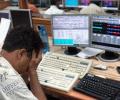
Equity benchmarks Sensex and Nifty declined nearly 1 per cent on Friday, in tandem with a weak trend in overseas markets amid hawkish tone of global central banks. The 30-share BSE Sensex fell 461.22 points or 0.75 per cent to settle at 61,337.81. During the day, it tumbled 506.5 points or 0.81 per cent to 61,292.53.

The Supreme Court judgment on the legality of same-sex marriage elicited mixed responses from LGBTQ activists, with one section hailing parts of the Constitution Bench's order, while others expressing dissatisfaction as it did not legalise same-gender weddings.

Benchmark equity indices Sensex and Nifty ticked higher for the ninth straight session on Thursday, buoyed by fag-end buying in banking, financial and realty stocks amid encouraging domestic retail inflation data. Weak trends in IT counters and fall in the overnight US equity markets triggered by fresh concerns over recession, however, put a check on market's uptrend. In a largely subdued session, the 30-share BSE Sensex went up marginally by 38.23 points or 0.06 per cent to settle at 60,431.

HDFC was the top loser in the Sensex pack, shedding over 2 per cent, followed by Axis Bank, Bharti Airtel, M&M, Reliance Industries, ICICI Bank, IndusInd Bank and Titan.

Public-sector enterprise stocks have seen a good run thus far in 2023-24 (FY24), with the S&P BSE PSU Index surging by over 26 per cent during the period, compared to an 11 per cent increase in the benchmark S&P BSE Sensex.
 © 2026 Rediff.com - Advertise with us - Disclaimer - Privacy Policy - Sitemap - Feedback - About us - Terms of use - Grievances